Table of Contents
ToggleKeeping a home clean and organized is like maintaining a well-functioning workshop, you need a system, regular check-ins, and a way to track what’s been done. Most homeowners juggle cleaning tasks mentally, scribbling notes on calendars or using sticky notes scattered across the kitchen counter. A house cleaning CRM (customer relationship management system adapted for home use) turns that chaos into a streamlined schedule. It’s not just for businesses anymore. This practical tool helps you track recurring chores, set reminders, and ensure nothing falls through the cracks. Whether you’re managing a busy household with kids, keeping up with seasonal maintenance, or simply tired of forgetting when you last cleaned the baseboards, a cleaning management system brings order to one of life’s perpetual responsibilities.
Key Takeaways
- A house cleaning CRM transforms household management from reactive chaos into proactive organization by tracking recurring chores, setting reminders, and creating accountability across household members.
- Essential features include task templates, role assignments, mobile access, and progress tracking—allowing you to log completion history and build a record of your home’s actual maintenance rhythm.
- Start small with realistic recurring tasks, match task frequency to your household’s actual habits, and assign chores to specific people to prevent bottlenecks and build accountability.
- Integrate your cleaning CRM into daily life by choosing a consistent check-in time, pairing it with visual reminders like a fridge schedule, and celebrating task completion to keep family members engaged.
- Regular monthly reviews of what was completed, skipped, or needs adjustment help you refine your cleaning management system to match your home’s real-world maintenance needs.
- A cleaning CRM captures valuable details—like which products work best on each surface and when coils were last cleaned—preventing mistakes and reducing guesswork about household maintenance.
What Is a House Cleaning CRM?
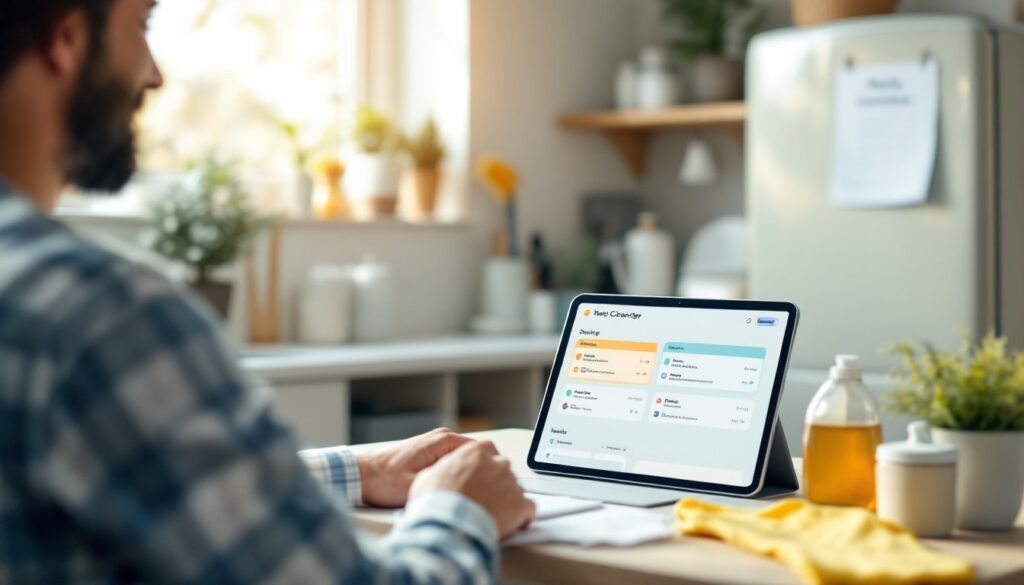
A house cleaning CRM is a digital tool designed to organize, schedule, and track household cleaning and maintenance tasks. Unlike a simple to-do list, a cleaning CRM stores task history, sends reminders, and lets you assign work to household members. Think of it as a project management system tailored for your home.
These systems typically include a task calendar, checklists for different rooms, notes on what products work best for each surface, and completion records. Some homeowners use dedicated home management apps, while others adapt general CRM or project management platforms like Asana or Trello. The core function remains the same: create accountability and visibility around household chores.
A cleaning CRM differs from a basic app because it emphasizes patterns and history. You can see trends, which tasks you consistently miss, how frequently certain areas need attention, or how long deep-cleaning actually takes. This data helps you build realistic schedules and understand your home’s maintenance rhythm.
Why Homeowners Need a Cleaning Management System
Without a system, cleaning becomes reactive. You notice dust on the TV, grab a cloth, and move on. Important but less visible tasks, like checking exhaust fan filters, wiping down kitchen cabinet exteriors, or scrubbing grout, get pushed months apart. A cleaning management system makes maintenance proactive instead of reactive.
Households with multiple people benefit especially. Kids don’t naturally remember when they’re supposed to vacuum: partners sometimes forget which bathroom is whose responsibility. A shared cleaning CRM eliminates the nagging cycle. Everyone sees what’s assigned, when it’s due, and whether it’s complete. One person isn’t always the keeper of the household’s cleaning knowledge.
For detail-oriented homeowners, a CRM captures the specifics: which hardwood floor cleaner works best, which baseboards need a damp microfiber cloth versus a dry duster, when the refrigerator coils last got cleaned. That institutional memory prevents guessing and reduces mistakes like using the wrong cleaner on delicate surfaces. Platforms like Good Housekeeping publish tested recommendations for cleaning products, but a CRM lets you log which ones actually work in your home’s specific conditions.
Key Features to Look For in a Cleaning CRM
Not all home management tools are created equal. When evaluating a cleaning CRM, look for a few essential features.
Task Templates and Categories matter. A good system includes pre-built cleaning checklists for different rooms (kitchen, bathroom, bedrooms, living areas) or cleaning types (weekly, monthly, seasonal, deep cleaning). You shouldn’t have to invent the wheel every time you set up a task.
Role and Assignment Capability is crucial for multi-person households. The CRM should let you assign tasks to specific household members, set deadlines, and show who’s responsible. This transparency reduces miscommunication.
Notification and Reminder Systems keep tasks from slipping. Whether email, app notifications, or SMS reminders, you need alerts that actually reach people before the deadline passes.
Progress Tracking and History allows you to log when tasks are complete, add notes (“used product X today,” “baseboards still streaky”), and review past completion dates. This builds a record of your home’s maintenance rhythm.
Mobile Access is non-negotiable. Cleaning often happens on the move, you’re already holding the duster or standing at the sink. A desktop-only system won’t serve you well.
Research platforms like Real Simple, which covers home organization strategies, to see real-world examples of how homeowners organize their routines.
Task Scheduling and Reminders
The scheduling engine is where a cleaning CRM earns its place. Set weekly tasks to repeat automatically every Monday at 9 a.m., or mark specific dates for quarterly deep cleaning of the baseboards. The system should recognize overlapping schedules, you don’t want laundry, vacuuming, and bathroom scrubbing all due on the same day if one person handles them.
Reminders bridge the gap between intention and action. A task sitting in a system nobody sees is useless. Good CRMs send reminders before the deadline (48 hours prior, for example) so people have time to plan, not panic. Some allow customizable reminder frequency. If someone’s in the habit of cleaning on Saturday mornings, remind them Friday evening, not Monday morning.
Best Practices for Setting Up Your Cleaning CRM
The tool is only as useful as the system you build inside it. Here’s how to set one up that actually gets used.
Start Small and Realistic. Don’t dump every conceivable cleaning task into the system on day one. Begin with regular, recurring tasks: vacuuming, mopping kitchen tile, bathroom cleaning, laundry. Once you’ve used the system for a month and it feels natural, add seasonal or quarterly tasks.
Match Task Frequency to Reality. If you tell the system “clean ceiling fans monthly” but you know that never happens, change it to quarterly. Unrealistic schedules create guilt and abandonment. The CRM works best when it reflects how your household actually operates.
Assign Tasks to the Right People. Don’t assign everything to yourself. If a family member usually handles the kitchen, they own kitchen tasks. This builds accountability and prevents bottlenecks. Include teenagers or younger kids with age-appropriate chores.
Add Specific Notes and Preferences. Don’t just say “clean bathroom.” Note: “Scrub toilet and tiles with Comet, wipe mirrors with glass cleaner, mop floor with tile cleaner, don’t use bleach on the grout.” These details prevent shortcuts and mistakes.
Log Completion and Issues. When a task is done, mark it complete. If something came up during the job, water stain on the ceiling, grout that needs deeper scrubbing, add a note. This log becomes your maintenance history and reveals patterns.
Schedule Reviews. Every month, spend 15 minutes reviewing what got done, what was skipped, and why. Adjust the schedule accordingly. Maybe you’re overestimating how often something needs cleaning, or maybe you’re scheduling too much for one person.
Integrating Cleaning Management Into Your Home Routine
A CRM isn’t a standalone tool, it needs to fit into daily life. Integration happens when the system becomes as natural as checking your email.
Pick a Consistent Check-In Time. Some households review the week on Sunday evening over coffee. Others scan their phones each morning. Choose a time that works, then stick to it. This prevents surprises and keeps everyone aligned.
Combine It with Other Home Systems. If you’re already using Houzz or Pinterest for design inspiration or home projects, your CRM should sit alongside these tools, not compete for attention. Many modern platforms integrate across apps so information syncs automatically.
Make It Visual. A printed weekly cleaning schedule on the fridge is old-school but effective as a backup. Pair it with your digital CRM so people see tasks whether they’re scrolling their phone or heading to the kitchen.
Celebrate Completion. This sounds simple, but marking tasks complete in the system creates a small sense of achievement. That feedback loop keeps people engaged. Some CRMs gamify completion with streaks or badges, silly but motivating for kids.
Adjust Seasonally. Winter cleaning needs differ from summer (more vacuuming from tracked-in leaves outdoors, less window washing). Update your CRM twice yearly to match seasonal realities.
The goal is for your cleaning CRM to fade into the background, not another app demanding attention, but a reliable system that catches what might otherwise slip through the cracks.
Conclusion
A house cleaning CRM isn’t a luxury, it’s a practical tool that transforms household management from chaotic to organized. It works because it removes guesswork, distributes responsibility fairly, and creates a record of what’s been done and what needs attention. Start with one platform, add tasks gradually, and adjust as you learn your home’s actual maintenance rhythm. Over time, cleaning becomes less something to dread and more something you simply do, consistently and well.