Table of Contents
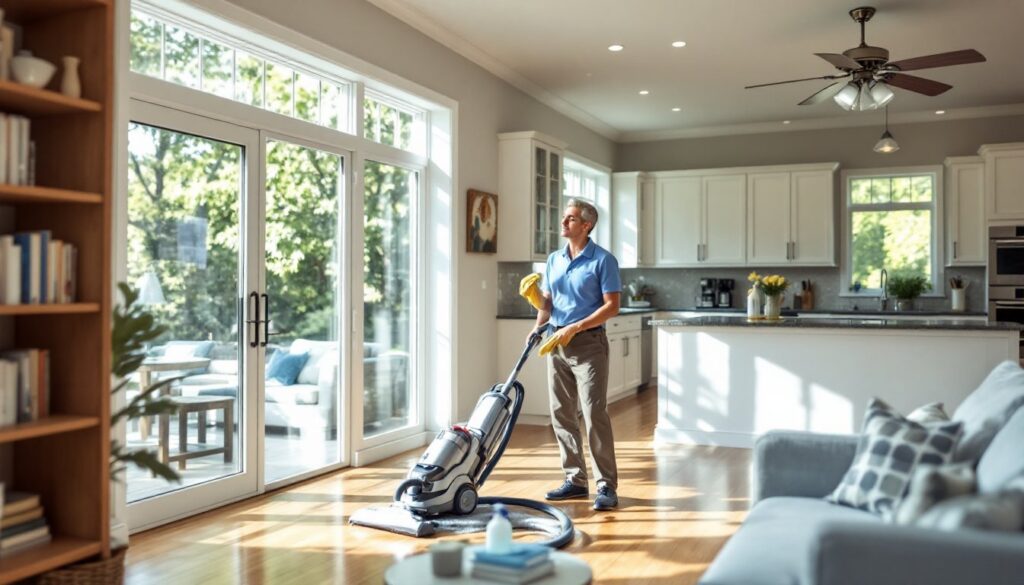
ToggleKeeping a home clean in Alpharetta’s Georgia climate comes with its own set of challenges, humidity, red clay dust, and pollen can turn a freshly cleaned house into a dusty mess within days. Whether you’re juggling a full work schedule, managing a family, or simply want a cleaner home without the burnout, you have options. This guide walks through both professional cleaning services and practical DIY strategies tailored to Alpharetta’s environment. From seasonal deep cleaning to budget-friendly solutions, homeowners in the area can find an approach that fits their lifestyle and keeps their homes truly clean.
Key Takeaways
- House cleaning in Alpharetta requires strategies tailored to Georgia’s humidity, red clay dust, and pollen challenges that accumulate faster than in other climates.
- Professional house cleaning services in Alpharetta cost $150–$300 per visit and save homeowners 6–8 hours weekly, with HVAC filters needing replacement every 4 weeks during high pollen seasons.
- DIY deep cleaning works best with a systematic top-to-bottom approach using HEPA vacuums, vinegar solutions for red clay marks, and scheduling on clear, dry days to prevent moisture lock-in.
- Seasonal cleaning priorities in Alpharetta include changing HVAC filters during spring pollen season, combating summer mold with exhaust fans, and cleaning gutters in fall to prevent structural damage.
- Eco-friendly alternatives like baking soda, white vinegar, and hydrogen peroxide handle 80% of household cleaning needs at lower cost and are safer for septic systems common in Alpharetta.
- A hybrid approach combining quarterly professional deep cleaning with weekly DIY maintenance offers the best balance of time savings, quality, and cost for Alpharetta homeowners.
Why Professional Cleaning Services Matter in Alpharetta
Professional house cleaning services in Alpharetta solve a real problem: time. Many homeowners spend 6–8 hours per week cleaning, time they’d rather spend with family or on hobbies. A professional team handles everything from baseboards to ceiling fans in a single visit, typically completing a 3-bedroom home in 3–4 hours.
Around Alpharetta, the Georgia humidity and pollen create particular challenges. Dust accumulates faster, windows get streaky from moisture, and HVAC vents need regular cleaning to maintain air quality. Professional cleaners understand these regional issues and use equipment and products tailored to them. They also carry commercial-grade vacuums with HEPA filters that remove allergens more effectively than most household models.
Cost typically ranges from $150–$300 per visit for a standard home, depending on size and service frequency. Services like HomeAdvisor and Angi help homeowners get quotes from local providers and read reviews from neighbors in your area. Many services offer weekly, bi-weekly, or monthly plans, so you’re not locked into a single frequency.
DIY Deep Cleaning Strategies for Alpharetta Homes
If you prefer to handle house cleaning yourself, a systematic approach beats random scrubbing. Start with a supplies checklist: microfiber cloths, a quality vacuum with HEPA filtration, an all-purpose cleaner, glass cleaner, disinfectant, and oxygen-based stain remover for red clay marks.
Schedule deep cleaning on a clear, dry day so you can open windows and air out the home. Humidity can make surfaces harder to dry and can lock in moisture, which encourages mold in bathrooms and basements. Begin with decluttering, remove items from surfaces so you can actually clean them, not just work around clutter. Then dust from top to bottom: ceiling fans, light fixtures, shelves, then floors. Dust falls downward, so working top-down prevents re-cleaning.
For Alpharetta-specific issues, pay extra attention to windows and exterior doors. Red clay dust sticks to glass and frames, requiring a two-step approach: wipe with a damp cloth first to remove grit, then use glass cleaner for a streak-free finish. Vinegar and water (1:1 ratio) works as a budget alternative, though it may streak on very dirty glass.
Vacuum all carpets and rugs thoroughly, making multiple passes in high-traffic areas. Use a vacuum with an adjustable height setting so it works effectively on both carpet and hard floors. For tile, hardwood, and laminate, sweep first (vacuuming hard floors can scatter debris), then mop with appropriate floor cleaner. Let floors dry completely before walking on them heavily to avoid streaks.
Room-by-Room Cleaning Priorities
Bathrooms demand the most time and attention. Start by removing items from counters and shelves. Spray surfaces with disinfectant and let them sit for 10 minutes, contact time kills bacteria far better than scrubbing alone. Wipe down the toilet, tub, and shower with a toilet brush and bathroom cleaner. For soap scum on tiled showers, let a commercial cleaner or vinegar soak overnight, then scrub the next day. Grout lines benefit from an old toothbrush and a paste of baking soda and water.
Kitchens come second. Wipe appliance fronts, clean the range top and oven thoroughly (use oven cleaner if needed, but ventilate well), and degrease cabinet fronts. Wipe down light switches and doorknobs, these high-touch surfaces harbor germs and often get overlooked. Mop floors last, after all other surfaces are done.
Bedrooms require less intensive work: dust surfaces, change bedding, vacuum thoroughly, and wipe down light switches and doorknobs. Living areas follow the same pattern. Focus on baseboards and corners where dust and pet hair accumulate, especially in Alpharetta homes where windows are often open during mild months, letting outdoor dust in.
Seasonal Cleaning Challenges in the Georgia Climate
Alpharetta’s four-season climate creates distinct cleaning demands. Spring brings high pollen counts, trees and grass release massive amounts of pollen from March through May. During this period, HVAC filters clog faster, and indoor dust accumulates more quickly. Change furnace filters every 4 weeks instead of the standard 12, and plan extra vacuuming sessions. Wipe down windowsills and frames weekly, as pollen settles on exterior surfaces and gets tracked inside.
Summer humidity (80–90%) creates another challenge: mold and mildew thrive. Bathrooms, basements, and crawl spaces need extra attention. Run exhaust fans during and for 30 minutes after showers. Wipe bathroom surfaces dry if they stay wet for hours. Check basement corners and under sinks for moisture and mold growth. Dehumidifiers help in damp rooms but require emptying daily during peak humidity.
Fall brings fallen leaves, dust, and debris. Clean gutters and downspouts thoroughly, clogged gutters lead to water pooling on the roof and seeping into attics, causing mold and structural damage. This isn’t a cosmetic issue: it’s maintenance that protects your home’s integrity.
Winter is milder in Georgia but still requires attention. Salt and dirt from occasional ice/snow events get tracked inside. Keep entry mats clean and shake them out daily. Dust and pollen levels drop, making winter an ideal time for deep-cleaning projects like washing windows, walls, and baseboards without immediate re-soiling.
Eco-Friendly Cleaning Solutions for Your Home
Commercial cleaners work well but often contain chemicals that worry health-conscious homeowners, especially those with young children or pets. Eco-friendly alternatives perform surprisingly well for most household cleaning tasks.
Baking soda is a mild abrasive and deodorizer, sprinkle it on carpets, let it sit 15 minutes, then vacuum. Mix it with vinegar (1:1) to create a fizzing paste for scrubbing tiles, grout, and stainless steel. White vinegar cuts grease and disinfects. Spray undiluted vinegar on glass, let it dry, and wipe with newspaper or microfiber cloths for a streak-free finish. For tough stains, let vinegar soak overnight.
Castile soap (plant-based, not petroleum-derived) diluted with water creates an all-purpose cleaner. Use 1 part soap to 4 parts water. It’s safe for wood, tile, and most surfaces. Hydrogen peroxide (3% food-grade) disinfects and removes stains: it’s especially useful for removing red clay marks from grout and light-colored fabrics.
Essential oils like tea tree, lemon, and lavender add antimicrobial properties and fresh scent. Add 10–15 drops to a spray bottle of water and baking soda for a scented disinfectant. But, oils can leave residue, so test on hidden areas first.
According to cleaning guides at Real Simple, these natural solutions handle 80% of household cleaning needs without toxic fumes or environmental impact. They cost significantly less than commercial cleaners and are safer for septic systems common in rural Alpharetta areas.
How to Choose the Right Cleaning Service in Alpharetta
If hiring professionals, start with local referrals or online reviews. Look for services bonded and insured, this protects your home if something is damaged and ensures the company meets basic standards. Check their cleaning frequency options: weekly, bi-weekly, and monthly plans offer flexibility for different needs.
Ask what’s included in their standard service. Does it cover baseboards, ceiling fans, inside appliances, and window sills, or are those add-ons? Some services charge extra for laundry, organizing, or tasks beyond basic cleaning. Clarify upfront to avoid surprises.
Request references from current Alpharetta clients if possible. Someone who’s hired the same service for a year can tell you about reliability, quality consistency, and how the team handles regional challenges like humidity and pollen.
Price shopping is tempting, but the cheapest option rarely delivers the best value. A moderately priced service that shows up on schedule and cleans thoroughly is worth the extra $20–$30 per visit. Many services offer first-time discounts, so you can test the fit before committing to a monthly plan.
Verify what cleaning products they use. If anyone in your household has chemical sensitivities, allergies, or young children, ask if they offer eco-friendly product options. Some services accommodate this for a small upcharge.
Conclusion
Keeping an Alpharetta home clean requires understanding local climate challenges, whether you’re hiring help or doing it yourself. Professional services offer time savings and expertise, while DIY strategies give you control and savings. Most homeowners find a hybrid approach works best: hiring professionals for deep cleaning quarterly or semi-annually, then maintaining the home with weekly DIY efforts. Choose whichever path fits your schedule, budget, and preferences, the goal is a clean home that’s actually livable.