In a world where concrete reigns supreme, urban jungle design bursts onto the scene like a breath of fresh air—or maybe a whiff of that delightful potting soil. Imagine transforming dull city spaces into lush oases filled with vibrant plants and cozy nooks. It’s not just greenery; it’s a lifestyle choice that says, “I love nature, but I also love Wi-Fi.”
Understanding Urban Jungle Design
Urban jungle design transforms urban spaces into lush green environments that echo the beauty of nature. This approach creates serene, inviting areas that promote relaxation and well-being in bustling city settings.
Definition and Concept
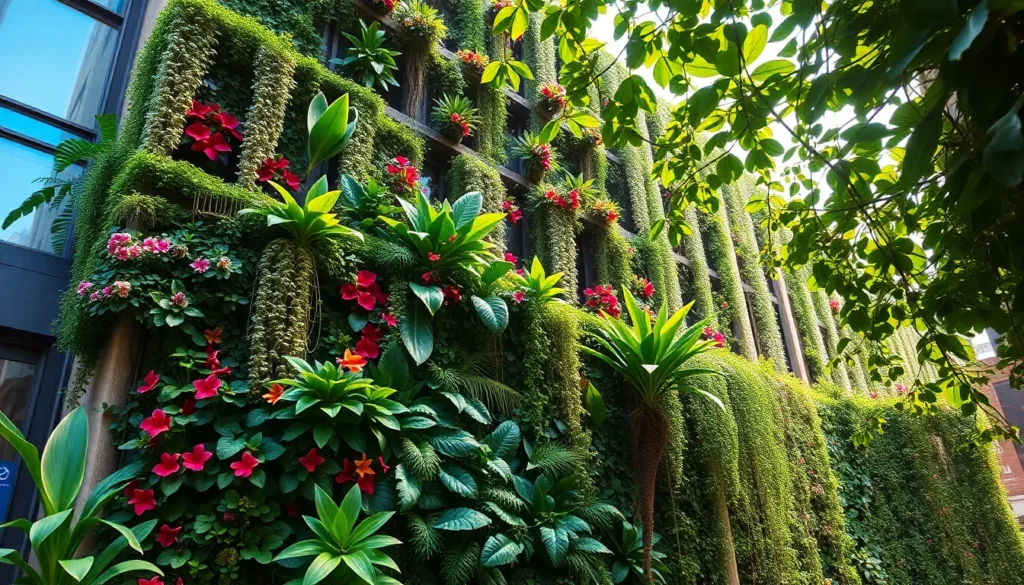
Urban jungle design encompasses integrating various plants into architectural settings, creating a natural atmosphere. This concept reflects a desire to merge urban living with greenery, enhancing air quality and aesthetic appeal. Combining different plant species adds depth and texture to spaces, promoting biodiversity. Urban jungle design often emphasizes sustainability, making it a popular lifestyle choice among eco-conscious individuals. Elements like vertical gardens, living walls, and rooftop gardens play crucial roles in this design trend, providing tranquility amidst city chaos.
History and Evolution
The trend of urban jungle design has roots in the mid-20th century, reflecting a growing awareness of environmental issues. Initial efforts included incorporating small gardens into residential areas, focusing on nurturing personal green spaces. As urban populations rose, designers recognized the need for more intricate green designs. By the 2000s, advancements in gardening technology led to more widespread adoption of vertical and rooftop gardens in major cities worldwide. This evolution highlights a cultural shift toward valuing nature within urban settings, spurring increased interest in green architecture and sustainable living solutions.
Key Elements of Urban Jungle Design
Urban jungle design thrives on blending elements of nature into city living. Essential components include plants, greenery, and structural features that create harmonious, green spaces.
Plants and Greenery
Diverse plant selection enhances urban jungle designs. Utilizing tropical plants, succulents, and climbing vines fosters a vibrant atmosphere. Each species contributes unique colors, textures, and scents to the surroundings. Incorporating native plants supports local ecosystems and promotes biodiversity. Additionally, layering plants at different heights creates visual interest. Specific plants, like ferns and philodendrons, thrive in low-light areas, making them ideal for indoor spaces. Incorporating a mix of plant types ensures year-round greenery, contributing to overall well-being and improved air quality.
Structural Components
Incorporating structural components elevates urban jungle designs. Structures such as vertical gardens, green roofs, and living walls maximize limited space. Vertical gardens utilize wall space effectively, creating lush backdrops. Green roofs enhance insulation and reduce heat absorption while offering additional greenery. Living walls not only add beauty but also improve indoor air quality. These structures often feature irrigation systems that simplify maintenance. Combining materials like wood, metal, and concrete gives an urban feel while integrating nature, ensuring the design complements the surrounding architecture. Each structural element harmonizes with the botanical features, creating an oasis in the urban landscape.
Benefits of Urban Jungle Design
Urban jungle design offers numerous advantages, enhancing both individual well-being and the environment in urban settings. Embracing greenery within concrete structures transforms not only aesthetics but also fosters healthier living spaces.
Environmental Impact
Integrating plants in urban spaces improves air quality significantly. Plants absorb carbon dioxide while releasing oxygen, contributing to a cleaner atmosphere. Additionally, urban jungles help combat the urban heat island effect by lowering surface temperatures. Drainage systems benefit from greenery, reducing stormwater runoff and promoting sustainable water management. Biodiversity thrives in these enriched environments, as urban gardens support various pollinators and local wildlife.
Psychological Benefits
Exposure to natural elements provides individuals with psychological advantages. Research indicates that green spaces reduce stress levels and enhance mood. Creating a connection to nature cultivates mindfulness, promoting relaxation amid busy city life. The presence of plants also encourages social interactions, as shared green spaces invite community engagement. In indoor settings, greenery has shown to boost productivity and creativity, fostering an inspiring workspace that enhances overall well-being.
Challenges in Urban Jungle Design
Urban jungle design presents several challenges, including limited space and ongoing maintenance demands. These factors can hinder the successful implementation of green spaces in urban settings.
Space Limitations
Limited space poses a significant challenge in urban environments. High population density often restricts the availability of land for green installations. Small balconies or rooftops may require innovative solutions such as vertical gardens or modular planters. Many urban spaces lack access to adequate sunlight, crucial for thriving plants. Designers frequently select shade-tolerant species to address this issue. Creative approaches, like using hanging planters or wall-mounted systems, optimize available real estate. Solutions like these allow greenery to flourish despite physical constraints.
Maintenance Requirements
Maintenance requirements can create challenges for urban jungle design. Regular care is essential for plant health and aesthetic appeal. Limited time and resources in busy urban lifestyles often lead to neglect. Selecting low-maintenance plants mitigates this issue significantly; species like succulents or cacti thrive with minimal intervention. Employing smart gardening technology, like automated watering systems, streamlines maintenance efforts. Maintenance planning also includes seasonal considerations for pruning and repotting. Clear schedules help ensure consistency, supporting vibrant urban green spaces.
Case Studies of Successful Urban Jungle Projects
Urban jungle design manifest through various successful projects that highlight creative integration of greenery in urban spaces. These case studies showcase innovative approaches and important lessons learned from implementing urban jungle concepts.
Notable Examples
Singapore’s Gardens by the Bay features stunning vertical gardens and iconic Supertree structures. New York City’s High Line, a repurposed railway, includes lush plantings that enhance community engagement. Sydney’s Central Park integrates native flora, providing biodiversity amidst urban density. Tokyo’s Shinjuku Gyoen National Garden, with its diverse plant species, promotes tranquility in a bustling city. Each of these projects demonstrates how thoughtfully designed green spaces can transform urban landscapes into vibrant ecosystems.
Lessons Learned
Successful urban jungle projects reveal crucial insights into plant selection. Prioritizing native species enhances biodiversity and supports local wildlife. Space management remains essential; vertical gardens or rooftop installations maximize limited land. Selecting low-maintenance plants simplifies upkeep, especially in high-traffic areas. Collaborating with local communities fosters a sense of ownership, encouraging stewardship of green spaces. These lessons emphasize that sustainable urban jungle design balances aesthetics, functionality, and ecological harmony.
Conclusion
Urban jungle design offers a refreshing solution to the challenges of urban living. By integrating greenery into city landscapes, it not only enhances the aesthetic appeal but also promotes well-being and environmental sustainability. The trend encourages creativity in space utilization and fosters a stronger connection between people and nature.
As cities continue to grow, embracing urban jungle design becomes increasingly important. It serves as a reminder of the value of green spaces in enhancing quality of life. With thoughtful planning and innovative solutions, urban environments can transform into vibrant ecosystems that support both residents and local wildlife. The future of urban living lies in the balance between concrete and nature, making urban jungles a vital component of modern city planning.