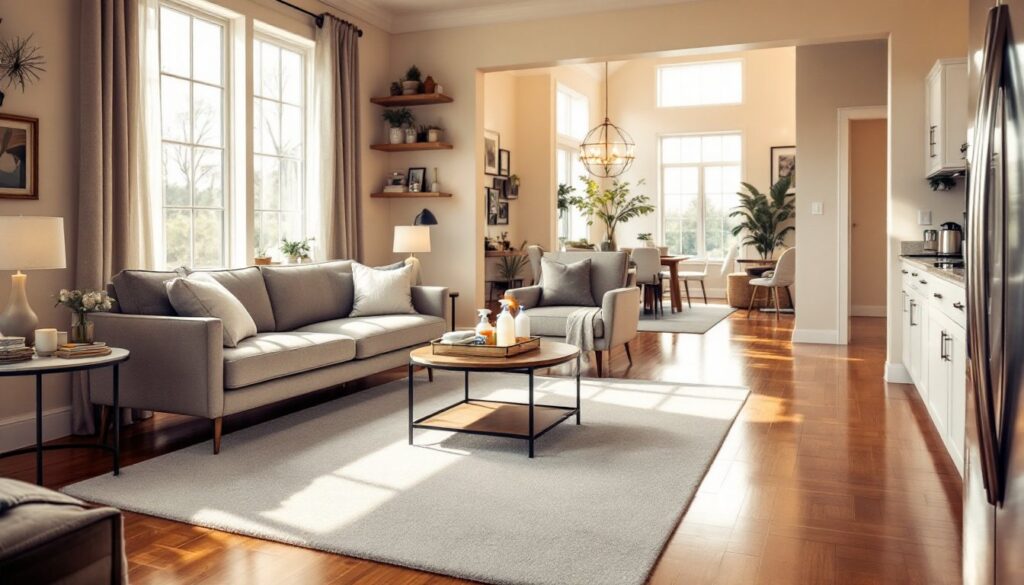
When it comes to home decor, plush furniture styles are the unsung heroes of comfort and chic. Imagine sinking into a sofa that feels like a cloud—who wouldn’t want that? Plush pieces not only elevate a room’s aesthetic but also invite relaxation, making them a must-have for anyone serious about their comfort game.
Overview of Plush Furniture Styles
Plush furniture styles embody a blend of comfort and aesthetic appeal, ideal for various living spaces. Styles such as mid-century modern, Scandinavian, and contemporary often feature plush textures in their designs. Each style incorporates plush fabric, enhancing comfort while maintaining visual interest.
Mid-century modern furniture typically showcases clean lines combined with soft cushioning, creating an inviting atmosphere. Scandinavian styles prioritize simplicity alongside functionality, often using light colors and natural textures to promote a warm, cozy environment. Contemporary designs focus on bold shapes and innovative materials, ensuring versatility in modern homes.
Velvet, suede, and chenille are popular fabric choices for plush furniture. Velvet delivers a luxurious feel, perfect for adding elegance to a room. Suede provides a soft, durable option, suitable for both seating and accent pieces. Chenille, with its textured surface, offers warmth and comfort in various designs.
Colors play a crucial role in plush furniture styles, influencing the overall ambiance of a room. Rich jewel tones add sophistication and depth, while pastel shades contribute to a lighter, airy feel. Neutral colors, including greys and creams, offer versatility, allowing for easy integration into any decor theme.
Additionally, plush furniture styles can enhance functionality within a space. Sectionals provide ample seating for family gatherings, while accent chairs create a focal point in living areas. Ottomans and footstools offer both comfort and utility, seamlessly fitting into various room layouts.
These furniture styles not only prioritize comfort but also make bold statements in interior design. By selecting the right plush pieces, individuals can effortlessly enhance their home decor while promoting relaxation.
Types of Plush Furniture
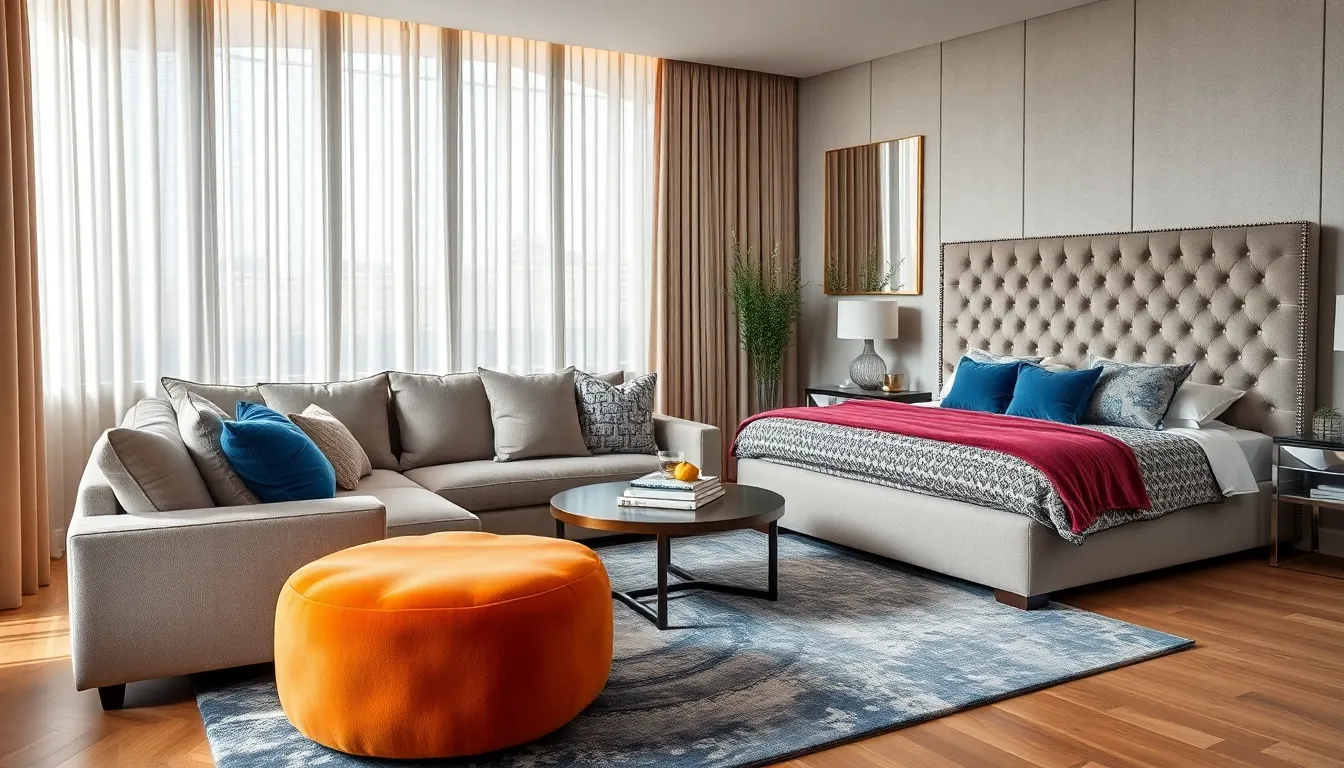
Plush furniture styles encompass various pieces that enhance comfort and aesthetic appeal. Here are several prominent types of plush furniture.
Sofas and Sectionals
Sofas and sectionals represent the centerpiece of living spaces. They offer ample seating and invite relaxation. Many models feature deep cushions and soft upholstery, making them ideal for lounging. Sectionals, in particular, provide flexible configurations, accommodating different room layouts. Styles range from classic to modern, with options that suit diverse tastes. Their versatility enhances both functionality and visual interest in home decor.
Chairs and Recliners
Chairs and recliners add a layer of comfort to any room. Accent chairs often serve as bold focal points, emphasizing style while providing a cozy spot for reading or relaxing. Recliners feature mechanisms that allow users to adjust their position for optimal comfort. Upholstery choices like velvet and leather contribute to the overall aesthetic. Many designs incorporate plush textures that invite relaxation, accommodating individual preferences seamlessly. These pieces enhance seating options while maintaining an inviting atmosphere.
Beds and Headboards
Beds and headboards transform bedrooms into sanctuaries of comfort. Plush headboards create a luxurious focal point, offering both support and style. Many beds feature upholstered frames that add softness to the overall design. Fabrics like linen and suede create a cozy sleeping environment. Styles range from contemporary to traditional, fulfilling various design preferences. These elements prioritize comfort, ensuring restful nights and inviting mornings.
Materials Used in Plush Furniture
Plush furniture utilizes a range of materials that enhance both comfort and aesthetic appeal. Key components include fabrics, upholstery, foam, and padding.
Fabrics and Upholstery
Velvet, suede, and chenille stand out as top fabrics for plush furniture. Velvet offers a soft, luxurious feel while reflecting light, adding depth to any space. Suede provides a supple texture and durability, ideal for everyday use. Chenille boasts a unique pattern that enhances visual interest while remaining cozy. Choosing the right color can elevate a room’s style, with options like rich jewel tones or soft pastels creating inviting atmospheres. Each fabric type contributes not only to comfort but also to the overall design impact of the furniture.
Foam and Padding
High-density foam plays a vital role in plush furniture, delivering both support and comfort. Sitting on quality foam prevents sagging over time, maintaining the piece’s shape and function. Additional layers of padding enhance comfort further, providing a cloud-like experience. These materials work in concert to ensure plush furniture offers relaxation without sacrificing style. Properly constructed foam and padding impact longevity, making them essential considerations in furniture design.
Design Considerations
Design considerations play a key role in selecting plush furniture, influencing both aesthetics and functionality in living spaces.
Colors and Patterns
Choosing colors and patterns significantly impacts the overall ambiance of a room. Rich jewel tones create a luxurious feel, while pastels provide a soft, inviting touch. Neutral colors offer versatility, blending seamlessly with various decor styles. Patterns, such as florals or geometric designs, add visual interest and can enhance the plush texture. Accent pieces in contrasting colors can stand out against a plush sofa or chair. Coordinating colors and patterns across different furniture types maintains a cohesive look. Rearranging or updating fabric choices can easily refresh the space, promoting a comfortable atmosphere.
Space and Layout
Space and layout considerations are essential to achieving an inviting environment. Identifying available room dimensions helps in selecting appropriately sized furniture pieces. Sectionals, for instance, can optimize seating while fitting snugly in corners. Placing accent chairs strategically creates flow and encourages conversation. Maintaining adequate walkways ensures ease of movement throughout the area. Arranging furniture to focus on key features, like a fireplace or television, enhances functionality and focal points. Proper layout maximizes comfort while maintaining the stylish appeal of plush furniture.
Conclusion
Plush furniture styles play a pivotal role in transforming living spaces into comfortable and stylish retreats. By blending aesthetics with relaxation these pieces elevate both functionality and design. The variety of styles from mid-century modern to Scandinavian and contemporary ensures that there’s something for every taste and preference.
Choosing the right materials and colors can further enhance the inviting nature of plush furniture. With careful consideration of layout and design elements individuals can create harmonious environments that prioritize comfort without compromising on style. Ultimately plush furniture stands out as an essential aspect of home decor that promotes a sense of well-being and sophistication.