Imagine curling up with a good book in a cozy corner that feels like it was plucked straight from a fairy tale. A well-designed reading nook isn’t just a space; it’s an experience that invites relaxation and sparks imagination. Whether it’s a sunny window seat or a hidden alcove, the right reading nook can transform any home into a literary retreat.
Creating the perfect reading nook isn’t rocket science, but it does require a sprinkle of creativity and a dash of style. From plush cushions that cradle you like a cloud to lighting that sets the mood for epic adventures, every detail counts. So grab your favorite mug and get ready to dive into the art of reading nook design, where comfort meets creativity and every book becomes an unforgettable journey.
Importance Of Reading Nook Design
Reading nooks play a crucial role in enhancing the reading experience. They provide a designated space that fosters relaxation and focus. A thoughtfully designed nook can significantly increase comfort and encourage longer reading sessions.
Comfortable furnishings, such as well-cushioned chairs or bean bags, contribute to the overall enjoyment of reading. Appropriate lighting, including soft lamps or natural light, creates an inviting atmosphere that reduces eye strain.
A personal touch in the decor allows individuals to express their personality. Incorporating shelves filled with favorite books and decor items adds character to the space. Plants and artwork can further enhance the aesthetic, promoting a tranquil environment.
Designing an effective reading nook promotes mental well-being. Studies indicate that having a personalized space for leisure activities can reduce stress and improve mood. The simplicity of retreating to a cozy nook offers a much-needed escape from daily chaos.
Prioritizing the design of a reading nook can lead to a more enjoyable and immersive reading experience. Crafting a space that balances comfort, style, and personality sets the stage for countless adventures within the pages of a book.
Key Elements Of A Reading Nook
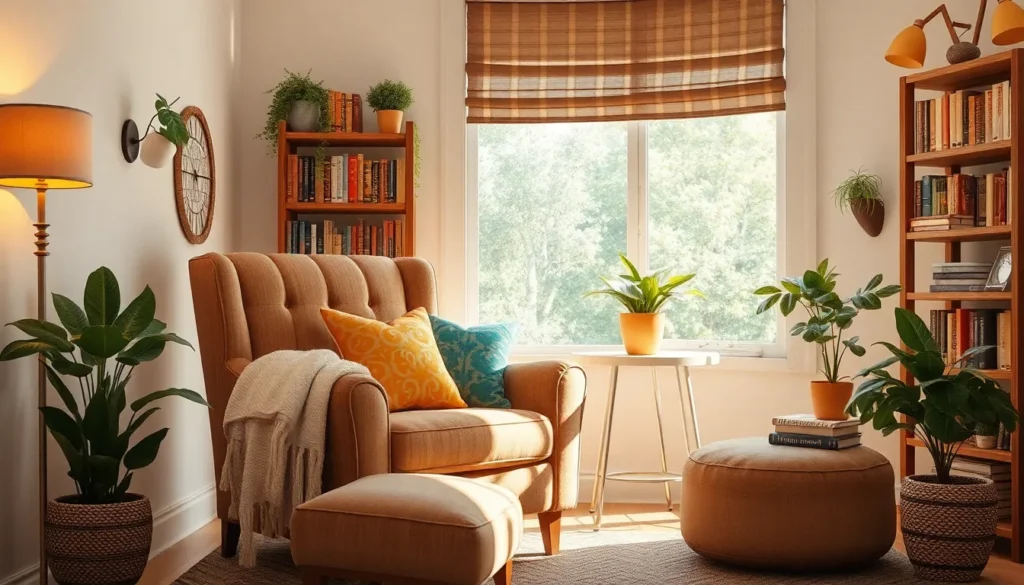
Creating an inviting reading nook requires careful attention to several key elements that enhance comfort and style. Focus on incorporating aspects that support a cozy and immersive reading environment.
Comfortable Seating Options
Selecting the right seating plays a crucial role. A well-cushioned armchair or a soft bean bag invites relaxation for long reading sessions. Design should prioritize ergonomics, ensuring support for the back and neck. Add throw pillows for extra comfort and a personal touch. A small ottoman can provide additional leg support, making it easier to settle in with a good book.
Lighting Considerations
Lighting choices significantly affect the reading experience. Natural light is ideal, so positioning the nook near a window enhances brightness during the day. Warm-toned lamps or sconces create a cozy ambiance for evening reading. Consider adjustable task lighting that allows users to direct light precisely onto the pages. This setup reduces eye strain, making reading more enjoyable for hours on end.
Shelving and Book Storage
Efficient shelving contributes to organized access to favorite titles. Wall-mounted shelves save floor space while displaying an impressive collection of books. Opt for a variety of storage solutions, such as bins or baskets, to house additional reading materials and accessories. Personalize the shelves with decorative items or plants that inspire creativity. A well-organized nook fosters a love for reading and keeps spaces tidy.
Styles Of Reading Nook Design
Various styles exist for reading nook design, each offering unique aesthetics and atmospheres. Understanding these can help individuals create their personal paradise for reading.
Modern Minimalist
Modern minimalist reading nooks prioritize simplicity and functionality. Clean lines, neutral colors, and minimal decor characterize this style. Furnishings, like sleek chairs or compact ottomans, complement open spaces. Natural light highlights the nook, allowing for an airy feel. Modular shelving provides efficient book storage without overwhelming the area. This design encourages focus by reducing distractions.
Cozy Traditional
Cozy traditional reading nooks embrace comfort through classic elements. Warm tones, rich textures, and plush fabrics create an inviting environment. Overstuffed armchairs paired with knitted throws enhance relaxation. Wooden bookshelves display well-loved volumes, adding personal charm. Soft lighting from table lamps or sconces fosters warmth and intimacy. This style nurtures a nostalgic ambiance that welcomes long reading sessions.
Innovative Outdoor Nooks
Innovative outdoor reading nooks utilize nature to inspire tranquility. Comfortable seating, such as hammocks or garden chairs, offers relaxation amidst greenery. Sunlight streaming through trees creates a serene escape. Incorporating shade with stylish canopies maintains comfort throughout the day. Scenic views enhance the overall reading experience, intertwining literature and nature seamlessly. This approach merges outdoor enjoyment with literary pursuits.
Tips For Creating Your Own Reading Nook
Designing a reading nook entails thoughtful strategies that prioritize comfort and creativity. Engage with key elements to enhance this literary space.
Space Utilization
Effective space utilization transforms corners and nooks into inviting reading spots. Select an underutilized area, like a quiet corner or an alcove, to optimize. Utilize vertical space by incorporating shelving units for book storage. Consider multi-functional furniture that can serve as seating and storage. Placing a small table beside the seating can hold beverages or reading materials. Ensure that the layout provides easy access while promoting a cozy atmosphere.
Personalization Techniques
Personalization techniques create a unique and inviting environment for reading. Incorporate favorite colors in the décor to evoke comfort and warmth. Add personal items such as framed photos or mementos to reflect individual tastes. Choose decorative throws and cushions that match your style while enhancing coziness. Use art that inspires and motivates, placing it within eye level. Include plants to bring nature indoors, improving air quality and ambiance. Personal touches elevate the reading experience, making each session enjoyable.
Conclusion
Designing a reading nook is more than just creating a space; it’s about crafting an experience that invites relaxation and exploration. By focusing on comfort and personal touches, individuals can transform any corner into a sanctuary for reading. The right furnishings and lighting play a crucial role in enhancing the atmosphere, making it easier to lose oneself in a good book.
With various design styles available, everyone can find inspiration that resonates with their taste. Whether opting for a minimalist approach or a cozy traditional look, the key lies in personalization. A well-thought-out reading nook not only enriches the reading journey but also promotes mental well-being. Embracing these design principles will lead to countless enjoyable moments spent within the pages of cherished books.